Services
Behavioral Assessments
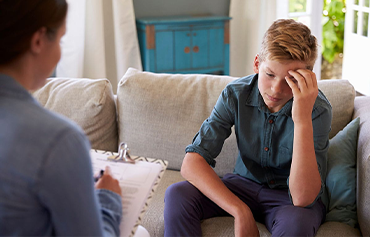
Our clinicians perform detailed behavioral assessments using tools such as VB-MAPP and ABLLS-R to evaluate communication, social interaction, and daily living skills. We analyze behavior patterns and identify triggers, skill gaps, and learning barriers. Functional Behavior Assessments (FBAs) help uncover the reasons behind challenging behaviors. Assessment results guide goal development and intervention strategies. Families receive clear reports, outlining priorities and next steps. Every assessment builds a foundation for data-informed decisions that drive meaningful, lasting progress across therapy sessions.
Individualized Treatment Planning
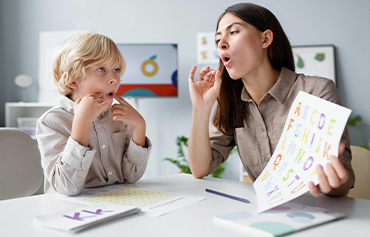
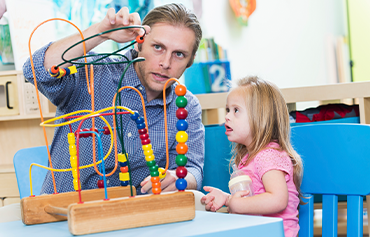
Each child receives a treatment plan that addresses their specific needs, abilities, and goals. Plans include strategies to develop language, reduce problem behaviors, and promote functional independence. Goals are measurable, achievable, and aligned with family priorities. Plans are shaped by behavioral data, caregiver feedback, and clinical insights. Progress is continuously tracked and adjustments are made based on outcomes. Every step supports meaningful growth. Our focus is to build skills that create real-world success across home, school, and community settings.
Direct Therapy Oversight
All therapy sessions are guided and supervised by a Board Certified Behavior Analyst (BCBA). Registered Behavior Technicians (RBTs) implement care plans with accuracy under this supervision. BCBAs model skills, provide live feedback, and adjust strategies as needed. Regular oversight ensures fidelity to interventions, safety in execution, and alignment with clinical goals. Each therapist receives ongoing training and performance reviews. Our structured support system ensures clients receive consistent, high-quality therapy that aligns with best practices in Applied Behavior Analysis (ABA).
Caregiver & Educator Training
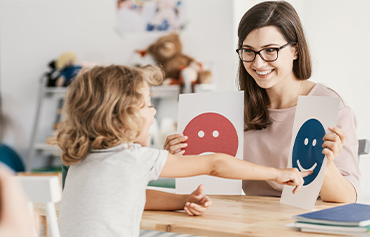
We equip families, teachers, and professionals with targeted behavior management tools and hands-on techniques. Training includes practical demonstrations of reinforcement systems, prompting methods, and how to respond to challenging behaviors. Participants learn to apply strategies in natural settings—home, classroom, or community. Instruction is personalized to reflect each child’s goals and learning style. Support includes printed guides, coaching, and follow-ups. The goal is to create confident, informed caregivers who actively contribute to the client’s success beyond therapy sessions.
Life Skills for Kids
Children benefit from skill-building focused on everyday independence. Our programs teach hygiene, safety, mealtime routines, communication, and play. Each session uses visual aids, prompts, and positive reinforcement. Family members join sessions for hands-on learning. Skills are practiced in home, school, and community settings.


Life Skills for Adults
Adults learn practical behaviors for daily life, including work readiness, grocery shopping, personal finance, hygiene, and navigating public spaces. Goals support independence and dignity. Sessions adapt to each person’s pace and preferences. Skills are practiced across multiple environments.